Categories
Blog

The Art of Retail Fit-Out: 10 Retail Design tips to increase sales

When you walk into a store, what do you notice instantly? Is it the beautiful display of products that catches your eye, the calming background music subtly impacting your mood or the store layout that effortlessly guides you through a satisfying shopping experience? This is the essence of retail fit-out—an art that paints an immersive picture of the shopping experience, enhancing the aesthetic appeal of a store while driving sales and building customer loyalty.

Retail fit-out isn’t just about arranging products on shelves or painting walls in vibrant colors; it’s a holistic approach to retail store design that intricately weaves together different elements to influence customer behavior, drive purchase decisions, and ensure customer satisfaction.

This blog will explore ten retail design tips to increase sales through an effective retail fit-out strategy.

  1. Entrance Matters: The entrance serves as a silent salesperson that engages customers first. Make it inviting with appropriate branding and signage. Keep it clean and clear of obstructions to allow customers to enter without hesitation.
  1. Effective Space Planning: The layout should facilitate customer flow. Too cramped, and you risk causing discomfort; too spacious, and you risk making your store look bare. Striking the right balance is key. Popular layouts include grid, loop, and free-flow styles.
  1. Lighting to Highlight Products: Proper lighting draws attention to specific products and creates an overall mood. Use spotlighting for featured products and softer lighting in less-focused areas.
  1. Product Grouping: Products should be logically grouped to make it easier for customers to find what they’re looking for and encourage add-on sales. This practice, also known as cross-merchandising, can significantly increase basket size.
  1. Comfortable Aisles: Aisle space plays a significant role in the customer experience. They should be wide enough for customers to navigate comfortably, and the shelves should be at an accessible height.
  1. Eye-Level is Buy-Level: Most purchased items are those placed at eye level. Use this knowledge to your advantage and place high-margin products in this ‘golden zone’.
  1. Creating an Experience: Today’s customers are increasingly looking for a shopping experience, not just a product. In-store experiences could include product demonstrations, interactive displays, or in-store events.
  1. Sensory Appeal: Engage customers’ senses with elements such as music, scent, or interactive displays. For example, a pleasant, calming scent can make customers stay longer.
  1. Effective Signage: Clear, concise signage helps customers find their way around your store. They can also highlight promotions or sales.
  1. Impulse Purchases at Checkout: The checkout area is a prime spot for impulse buys. Stock it with low-cost, high-margin items.

In conclusion, an effective retail fit-out strategy is about creating an environment that both facilitates purchase decisions and enhances the customer’s overall experience. A store that is easy to navigate, highlights products effectively and creates a memorable shopping experience will not only increase sales but also ensure that customers come back time and time again. Investing time in planning your retail fit-out strategy is, therefore, a worthwhile exercise in the long run. To learn more, check out https://www.capstone-uae.com/.
Categories
Blog

10 key steps involved in the fit-out process for commercial spaces

Navigating the world of commercial real estate can be a daunting process, especially when you’re faced with the intricate task of fitting out your commercial space. From an empty canvas to a fully functional, aesthetically pleasing workspace, the transformation journey involves a series of vital steps, each one presenting its own unique challenges and opportunities. The process is both an art and a science, combining elements of interior design, spatial planning, regulatory compliance, and construction management.

Let’s take a look at the 10 key stages involved in the fit-out process for commercial spaces:

Defining Your Needs: The first step is to establish your requirements. Consider the nature of your business, the tasks your staff performs, and the space you need to carry them out effectively. Also, remember to factor in growth plans to ensure the fit-out can adapt to future needs.

Budgeting: The budgeting process involves determining your spending capacity and allocating funds appropriately across different fit-out elements. It’s wise to retain some budget as a contingency fund for unforeseen expenditures.

Selecting a Fit-Out Company: Choose a reputable Interior fit-out company with experience in your industry and the capability to meet your unique needs. Thoroughly review their portfolios and client testimonials before making your choice.

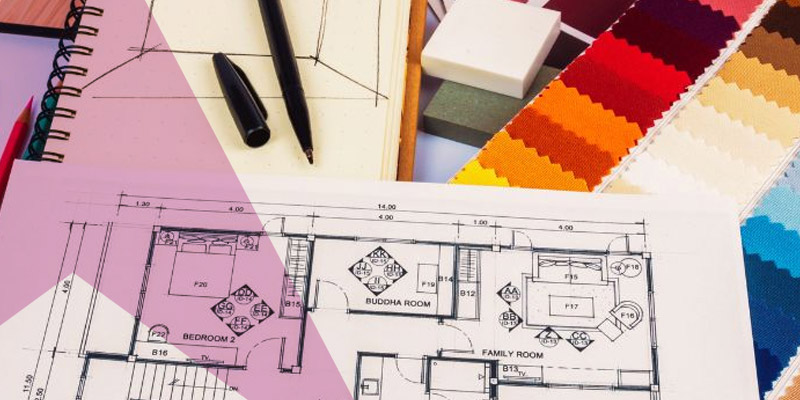
Space Planning: Once your fit-out partner is onboard, they will start with space planning. The goal here is to maximize the efficiency of your space, taking into consideration movement and flow, natural light, furniture placement, and more.

Design Development: After space planning, the interior design phase commences. This is where your commercial space begins to take on its character, with decisions made on color schemes, finishes, branding elements, and other aesthetic features.

Regulatory Compliance: The interior fit-out company will ensure the design complies with all relevant local regulations and codes, such as fire safety, accessibility, and HVAC standards.

Procurement: Once the design has been finalized and approved, your fit-out partner will procure the necessary materials, fixtures, and fittings. It’s crucial to ensure these components align with the overall design, quality standards, and budget constraints.

Construction and Installation: At this stage, the actual fit-out work begins. It’s a multi-faceted process involving construction, painting, electrical and plumbing work, the installation of fixtures, and more. Regular site inspections will ensure the work aligns with the agreed-upon plans and timelines.

Quality Control and Snagging: Upon completion of the installation, a thorough check of the site is conducted to spot any deficiencies or ‘snags’. Any issues identified are then rectified to ensure the highest standard of finish.

Handover and Aftercare: Finally, the completed space is handed over to you. The fit-out company will provide guidance on how to maintain the new environment. Some companies also offer post-completion support services, ensuring your space continues to meet your needs.

The interior fit-out process can seem daunting, but by breaking it down into these ten steps, it becomes a systematic and manageable task. Each step plays a vital role in creating a commercial space that not only looks great but also operates seamlessly, boosting staff productivity, client perception, and ultimately your bottom line. To learn more, check out www.capstone-uae.com.

Categories
Blog

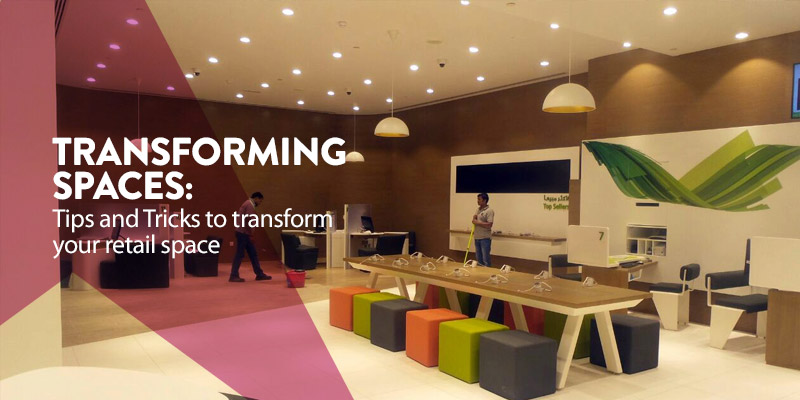
Transforming Spaces: Tips and Tricks to Transform Your Retail Space

Transforming your retail space can breathe new life into your business, attract customers, and enhance the overall shopping experience. Whether you’re a small boutique or a large chain store, giving your retail space a makeover is a strategic move that can yield significant benefits. From optimizing layout and flow to incorporating captivating design elements, there are various tips and tricks you can employ to create a space that not only entices customers but also aligns with your brand identity. In this blog, we will explore a range of actionable strategies to help you transform your retail space into a captivating and customer-centric environment. By implementing these tips, you can revitalize your business, boost sales, and leave a lasting impression on your valued customers. Capstone Interior Design is the ideal choice for interior fit-out services.

So, let’s dive into the world of retail space transformation and discover the secrets to creating a space that stands out in a competitive market.

Set clear objectives: Start by defining your goals for the transformation. Do you want to improve the flow of foot traffic, create a more inviting ambiance, or showcase specific products? Clearly identifying your objectives will guide your decision-making throughout the process.

Optimize layout and flow: Efficient space utilization is crucial in a retail environment. Analyze the current layout and identify any bottlenecks or areas of congestion. Create clear pathways and remove any unnecessary obstacles. Ensure that high-demand products or promotional displays are strategically placed to attract attention.

Enhance lighting: Lighting can significantly impact the atmosphere and perception of your retail space. Natural light is always desirable, so maximize windows and skylights if available. Incorporate a mix of ambient, accent, and task lighting to create a welcoming and visually appealing environment. Adjust lighting levels based on different sections or displays to highlight specific areas.

Utilize color and branding: Colors can evoke emotions and influence purchasing decisions. Choose a color scheme that aligns with your brand identity and appeals to your target audience. Use bold colors sparingly for emphasis, while neutral tones create a sense of calm. Consider incorporating your brand logo or signature colors into the design elements to reinforce brand recognition.

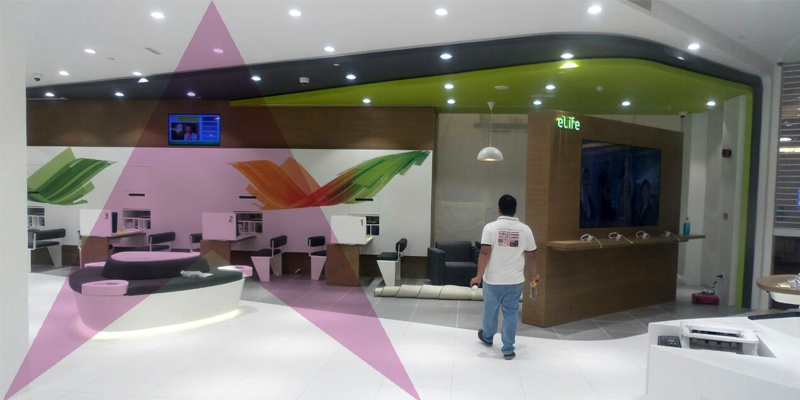
Incorporate interactive elements: Engage customers by including interactive elements in your retail space. Install touchscreens for product exploration or digital displays for dynamic content. Interactive kiosks or smart mirrors can offer personalized recommendations or virtual try-on experiences. These elements create an immersive and memorable shopping experience.

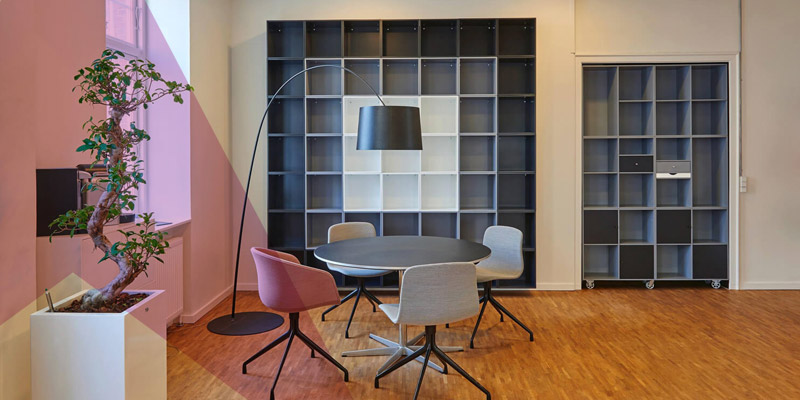
Create comfortable spaces: Make your retail space comfortable by providing seating areas or cozy corners for relaxation. Incorporate comfortable benches or chairs where customers can try out products or take a break. Consider adding greenery or natural elements to introduce a sense of tranquillity.

Seek professional help: If you feel overwhelmed or lack expertise in retail design, consider consulting professionals who specialize in retail space transformations. They can offer valuable insights and guide you through the process to achieve optimal results.

Remember, the key to a successful retail space transformation is to align your changes with your brand identity, target audience, and business objectives. Continuously monitor customer feedback and adapt your approach accordingly to ensure an engaging and enjoyable shopping experience. To learn more, check out www.capstone-uae.com.